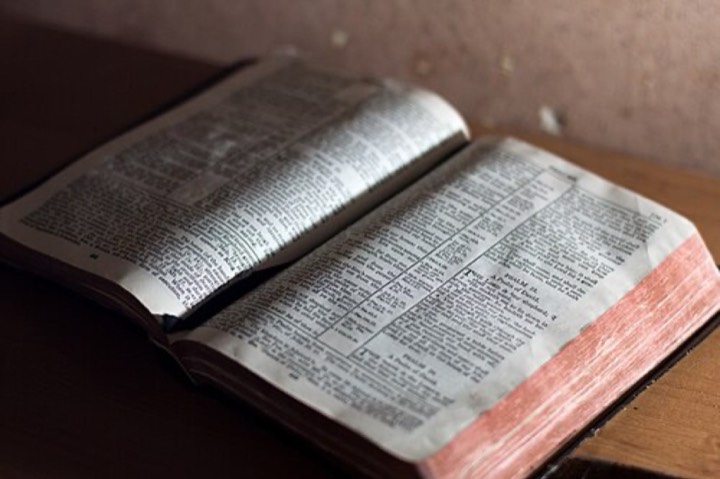
Joshua and Caleb: Words of Faith
From the twelve spies in Numbers 13, the contrast between ten fearful reports and the faith of Joshua and Caleb teaches believers to speak hope.
- Numbers 13:17-20
- Numbers 13:26-33
- 1 Corinthians 10:11-12

From the twelve spies in Numbers 13, the contrast between ten fearful reports and the faith of Joshua and Caleb teaches believers to speak hope.
From Genesis 26:12-33, Isaac's quiet answer to the Philistines who envied him shows why envy harms the envier and has no place in a believer.
From Genesis 9:18-27, the contrast between Ham and his brothers Shem and Japheth teaches honour for parents and covering others' faults.
A Pentecost sermon on 1 Peter 2:1-6: the church is not a building but living stones built on Christ, the cornerstone.
Jesus' call at the Feast of Tabernacles in John 7:37-39: whoever is thirsty may come to him and receive the living water of the Holy Spirit.
John 6:48-51: unlike the manna that could not give life, the risen Christ is the living bread who feeds believers every day.
Hebrews 4:12: God's word is living and powerful; faith begins by hearing it, and it must be read, searched and put into practice.
Romans 12:1-2: instead of dead offerings, believers present their own bodies and daily lives to God as a living, holy sacrifice.
Hebrews 10:19-25: Christ opened a new and living way through the curtain, so worship is living fellowship with God, not dead ritual.
On the Sunday after Easter: because Christ rose, we labour and strive with our hope set on the living God, the Saviour of all (1 Timothy 4:10).
Easter message from 1 Corinthians 15:20-26: the risen Christ reigns until every enemy is under his feet, and the last enemy, death, is destroyed.
Palm Sunday: from John 6:14-15 and John 18:33-40, Jesus refuses a worldly crown because his kingdom is spiritual and not of this world.
From Luke 12:13-15: Jesus refuses to divide an inheritance, showing that his work, and the church's, is spiritual and not worldly disputes.
From Mark 1:35-39: Jesus withdraws to pray alone, and when everyone is looking for him he goes on to preach, because that is why he came.
Assurance of salvation from Hebrews 6:4-9, and Christ's power over Satan in the healing of the two demoniacs in Matthew 8:28-34.
John 8:31-36: abiding in Christ's word makes us his disciples, brings us to know the truth and frees us from slavery to sin.
Luke 9:57-62: three people want to follow Jesus, each with a condition. Following Christ has a cost, and he must come first.
Mark 2:18-22: why Jesus' disciples did not fast, and why faith in Christ is new wine that cannot be poured into the old skins of the law.
Matthew 20:29-34: in a large crowd following Jesus, only two blind beggars cry for mercy and receive sight. A call to ask, 'Lord, open our eyes.'
From John 2:23-25: many believed because of the signs, but Jesus knew every heart. A call to sincere faith rather than faith for gain.
On Luke 20:20-26: the trap about paying tax to Caesar, Jesus' answer, and how citizens of heaven live wisely and dutifully in their country.
Jesus rejected in Nazareth, from Mark 6:1-6: why familiarity blinds people to Christ, and how he works where he is received in faith.
Why Jesus spoke in parables, from Matthew 13:10-17: those who hear and follow receive more, while hardened hearts hear and do not understand.
A Father's Day sermon from Matthew 7:9-11 on the duty of fathers, through Jephthah, Eli, David, the royal official and the prodigal son's father.