21Jun 2026
The Word Is Near You: Scripture’s Clarity
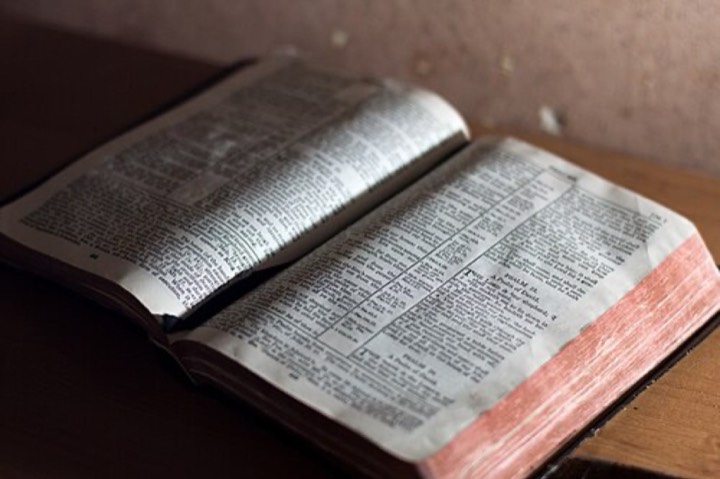
From Deuteronomy 30:11-20: God's word is not hidden or far away but near, clear enough for every believer to read, understand and live.
- Deuteronomy 30:11-20
From Deuteronomy 30:11-20: God's word is not hidden or far away but near, clear enough for every believer to read, understand and live.
From Matthew 21:28-31: the parable of the two sons, set beside King Lear, shows that God looks for obedience in deed, not fine words.
From 2 Timothy 2:1-13: like a soldier, an athlete and a farmer, the Christian endures hardship, keeps the rules and waits patiently for the harvest.
From James 1:2-8 and 4:1-10: why prayers go unanswered — doubt, selfish motives and unconfessed sin — and a God whose answer may be yes, no or wait.
From Luke 10:38-42: the Lord does not need our busy service as Martha thought; he asks us to sit at his feet, listen and learn like Mary.
From Matthew 9:9-13: Jesus calls a despised tax collector to follow him, for he came as a physician for sinners and desires mercy, not sacrifice.
From Matthew 12:38-42: Jonah foreshadows Christ's death and resurrection, yet Christ surpasses him in obedience, message and love.
From Hebrews 5:7-9: though a Son, Jesus learned obedience through suffering; believers obey God out of love, not fear, saying "not as I will".
Fourth Sunday of Advent, John 13:34-35 and 15:9-14: love is the mark of Christ's disciples, shown in deeds as he showed it by giving his life.
A Palm Sunday sermon on Christ the humble King and, from Matthew 8:11-12 and other sayings of Jesus, five conditions for entering God's kingdom.
From the Great Commission in Matthew 28:18-20: the marks of a true disciple of Christ, who wants to learn, keeps his word, loves and stays.
The wise and foolish builders of Matthew 7:24-27: both hear Christ's words and both meet the storm, but only the one who keeps them stands.
The Greek word diatheke in Hebrews 9:11-18: God's covenant is not a deal between equals but a will, put into force by the death of Christ.
From the parable of the two sons in Matthew 21:28-32: God looks not at fine words and claims but at doing the Father's will.
Why Jesus spoke in parables, from Matthew 13:10-17: those who hear and follow receive more, while hardened hearts hear and do not understand.
From Jonah 3 and Psalm 85: the weaknesses and strengths of the prophet Jonah, and God's mercy on a repentant Nineveh.
From Hebrews 11:8-19: Abraham, an ordinary man with weaknesses, shows a normal faith that obeys, waits, trusts God's promise and walks quietly with him.
What the shepherds of Bethlehem teach about simple faith, quick obedience and sharing the good news, from Luke 2:8-20.
Second Advent Sunday: from Matthew 1:19-25, Joseph as a man of honour and restraint, obedient faith, and a father who accepted responsibility.
From the call of Matthew (Matthew 9:9) and of Abraham (Genesis 12:1-3): life is a journey in which God's hand leads those who follow him.