13Sep 2026
The Bible as a Mirror
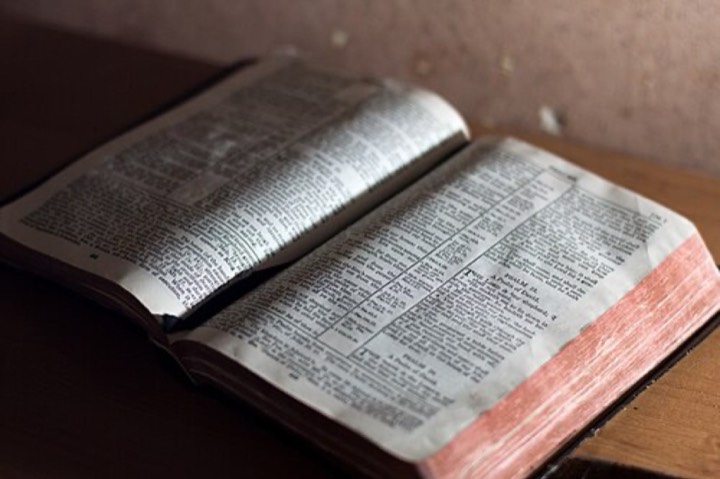
From James 1:19-25: the Bible is a mirror that shows us our own faults, so that we look at ourselves, not at others, and do what we hear.
- James 1:19-25
- Romans 10:17
From James 1:19-25: the Bible is a mirror that shows us our own faults, so that we look at ourselves, not at others, and do what we hear.
From Mark 11:20-26 and the story of a farmer's letter to God: God answers simple, trusting prayer, often through people, and love thinks no evil.
Matthew 5:39 and James 4:7 seem to disagree. Christians do not fight people, yet say a firm no when faith is at stake, armed as in Ephesians 6:13-18.
From James 4:13-17 and Kate Chopin's "The Story of an Hour": life is short, so leave a good memory, never rejoice at another's death, and use each day.
From James 1:2-8 and 4:1-10: why prayers go unanswered — doubt, selfish motives and unconfessed sin — and a God whose answer may be yes, no or wait.
From James 3:13-18: earthly wisdom breeds envy and strife, but the wisdom from above is pure, peaceable, gentle, merciful and without hypocrisy.
From 2 Peter 1:1-8: believers are called to share in God's nature by adding seven qualities to their faith, from goodness to love.
From Philippians 2:1-11: Christ, equal with the Father, humbled himself to the cross; the Spirit forms that same humility in believers.
From Hebrews 13:15-16, 20-21: goodness is kindness turned into deeds; saved by faith, believers are called to do good and overcome evil with it.
From Colossians 3:12-14 and Titus 3:4-7: kindness is a fruit of the Spirit whose source is God's own kindness shown in Christ.
From Galatians 5:22-23 and James 5:7-11: patience is a fruit of the Spirit, modelled on God's own long patience with every person.
From John 20:19-29: the risen Christ meets Thomas in his doubt with gentleness and leads him to confess, "My Lord and my God."
From Mark 9:41-48: heaven and hell are both real and eternal, yet believers come to God out of love, not fear of hell or desire for paradise.
From Matthew 7:1-5: why believers should stop judging others, leave judgment to God, and learn the spiritual discernment Scripture does allow.
How to live with envious people and guard our own hearts from envy, from James 3:13-18 and the examples of Isaac, Joseph, David and Paul.
On the Sunday after Easter, the story of Thomas in John 20:24-31 shows that doubt reaches even the strongest and is overcome by faith and Scripture.
The office of elder in Scripture and in a Presbyterian church: willing, humble shepherds who lead by example, from 1 Peter 5:1-6.
The calling of teachers in the church: given by God to equip the saints and build up Christ's body until all reach maturity (Ephesians 4:11-13).
The New Testament word energeia: God's power that raised Christ and works in his servants, the church and every believer, from Ephesians 1:19-20.
What the Greek word katharos (pure) means in the beatitude of Matthew 5:8: a sincere, unmixed heart that will see God.
What the New Testament word for sin, hamartia, means: missing the goal God made us for, and its only cure in Christ, from Romans 3:23-24 and 6:23.
From the parable of the Pharisee and the tax collector (Luke 18:9-14): God resists the proud and gives grace to the humble.
From the parable of the two sons in Matthew 21:28-32: God looks not at fine words and claims but at doing the Father's will.
The parable of the wheat and the weeds in Matthew 13: sow good seed, words of peace and kindness, not the poison of slander and division.